What is the Best Way to Detangle Hair in the Morning? 7 Expert Methods That Actually Work
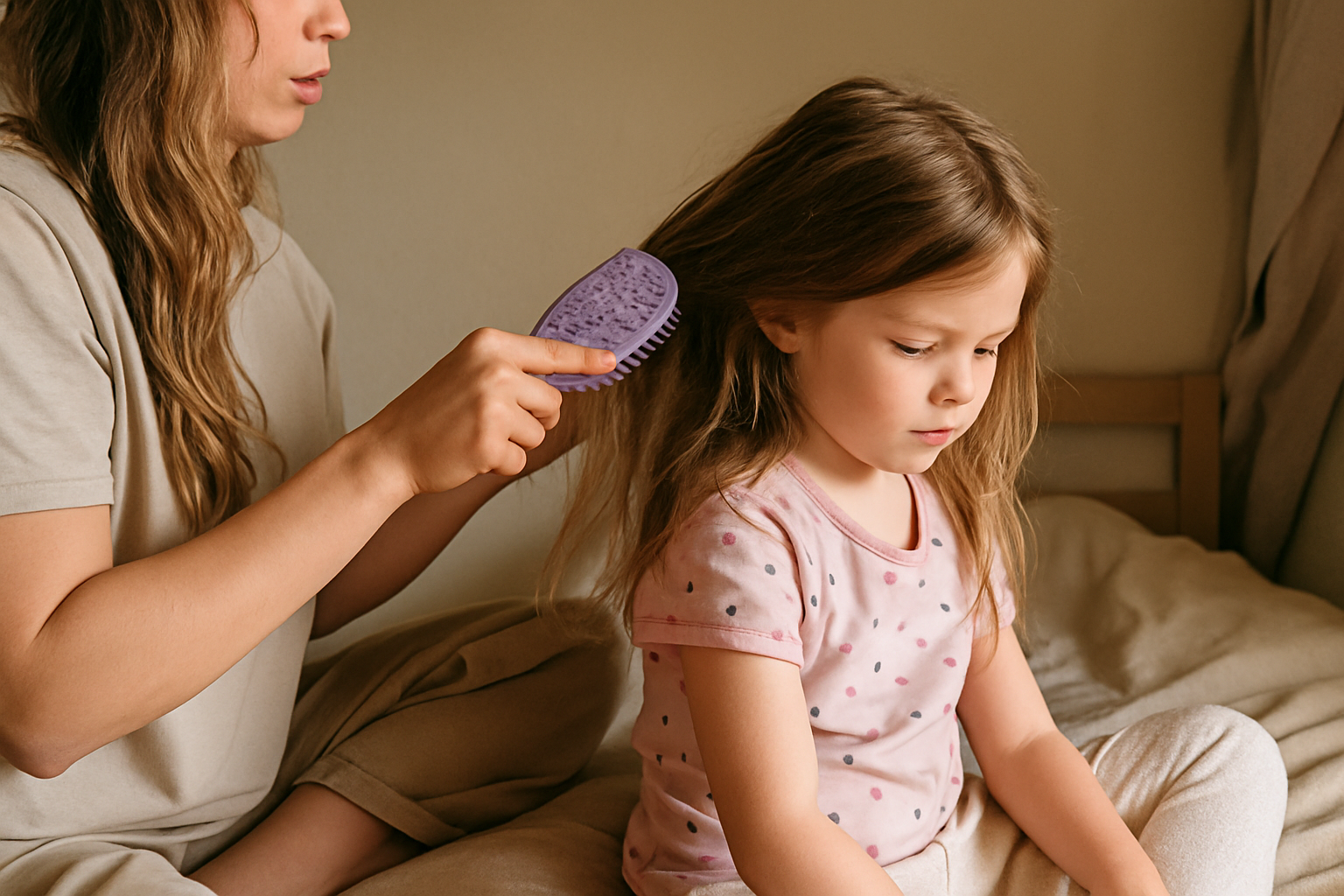
Every parent knows the struggle: you wake up to find your little one sporting a nest of tangled hair that looks like they wrestled with their pillow all night. In the mornings — before school, summer camp, or errands — use a quick spritz of detangler and comb your toddler’s hair to smooth any tangles that may have developed overnight. But what is the best way to detangle hair in the morning without tears, tantrums, or damaged strands?
After testing countless products and techniques in our household, we’ve discovered that morning detangling doesn’t have to be a battle. The key lies in preparation, the right tools, and gentle techniques that work with your child’s hair type rather than against it.
Why Morning Detangling Matters: Understanding What is the Best Way to Detangle Hair in the Morning
Detangling your toddler’s hair after a shower or brushing through their morning bedhead can be a battle — complete with crying, screaming, and fighting. Understanding why tangles form overnight is crucial to finding the best approach for your family.
Most children are born with a fine layer of hair that will thicken and develop as it grows over time. The problem from the get-go, though, is that fine hair tangles easily. And when you have a toddler who is on the move and exploring, tangles and knots are practically inevitable.
Children’s hair tangles more easily than adult hair for several reasons:
- Finer texture: Young children typically have finer hair strands that interweave more readily
- Active lifestyle: Running, playing, and rolling around creates friction and tangles
- Sleep movement: Tossing and turning creates friction against pillowcases
- Natural oils: Kids produce fewer natural oils to keep hair smooth and manageable
The 7 Best Methods: What is the Best Way to Detangle Hair in the Morning
Method 1: The Prevention-First Approach
The absolute best way to detangle hair in the morning is to prevent tangles from forming overnight. Since you can’t stop your child from tossing and turning during the night, use a silk pillowcase. Silk pillowcases are known to reduce frizz and limit the number of tangles that develop overnight.
Another tip is to put your child’s hair up in a loose ponytail on the top of their head before they fall asleep. This way their hair isn’t loose and rubbing against the pillowcase all night long. We’ve found that loose braids work even better for longer hair, as they keep strands secure without creating tension.
Method 2: The Quick-Spray Morning Routine
During your child’s morning routine, spray some of our Smoothing Berry & Primrose Conditioning Spray on their hair before brushing. This method works particularly well for minor tangles and quick touch-ups.
For busy mornings, we tested the Hair Detangler Spray for Girls 10 oz and found it excellent for quick morning fixes. The tear-free formula works instantly to loosen knots without the sticky residue some sprays leave behind.
Steps for the quick-spray method:
- Spray generously on dry hair where tangles appear
- Let it sit for 30-60 seconds
- Use a wide-tooth comb or detangling brush
- Start from ends and work upward
Method 3: The Finger-Detangling Technique
If tangles are minimal or just in a section or two you may be able to use your fingers to detangle. Finger detangling typically only works on small tangles, such as those at the nape of their neck or back of their head after waking in the morning.
Spray the tangled area with water mixed with conditioner, or with plain water—then add a leave-in conditioner. Press the conditioner into the tangled area and gently use your fingers to detangle from bottom to top. From top to bottom is always tempting but it increases breakage and often makes the tangle worse.
This gentle approach works especially well for curly or textured hair where brushes might disrupt natural curl patterns.
Method 4: The Sectioning Strategy
For more significant tangles, sectioning is essential. Then, part their hair into four sections. There’s no need for the parts to be perfect, it’s just to make detangling easier. Clip 3 of the 4 sections so that they stay in place. Start detangling the first section.
The No Slip Snap Hair Clips for Girls 10 Pack are perfect for this technique. Their strong hold keeps sections separated while you work, and the colorful flower designs make the process more fun for kids.
We also love using the Bonsai Kids Hair Wax Stick after detangling to smooth flyaways and baby hairs. Its one-handed application makes it perfect for busy mornings when you need quick touch-ups around the face and hairline.
Method 5: The Wet-Hair Advantage
DO – Start with wet hair. Always detangle curly hair while it’s wet, never dry. Spray hair with a gentle detangler such as Magic Mist and using The Kinder Brush, work in sections to gently loosen tangles.
All curls absolutely love hydration. The more hydration, the better. When curly hair is wet the cell cuticle called the endocuticle is what actually swells and expands the hair to absorb your detangler product better. It also gives the hair more elasticity allowing the hair to stretch and become looser, making it easier to work with.
For mornings when you have extra time, lightly misting hair with water or using the Bonsai Kids Curl Spray 8 oz can make detangling significantly easier, especially for naturally curly or coily hair types.
Method 6: The Right Tool Selection
Wet, conditioned hair with a wide-toothed comb or detangling brush is the best way to brush the hair, and if you do it from the bottom up, you will rid your little one of the worst knots more quickly.
Choosing the right tools is crucial for what is the best way to detangle hair in the morning:
- Wide-tooth combs: Best for thick, curly, or highly tangled hair
- Detangling brushes: Flexible bristles work well for daily maintenance
- Wet brushes: Designed specifically for use on wet hair
- Finger-picking: Best for natural, textured hair
Your brush can make or break your experience when detangling your child’s hair. Choose a special detangling brush to detangle your little one’s hair. Neither a regular drugstore comb nor a boars head bristle brush will work. Those common hair tools are major sources of pain when it comes to detangling kids’ hair.
Method 7: The Distraction Technique
Have your toddler watch a movie or color while you work on their hair. You may also want to approach the task by brushing a small area and then taking a break before starting on a new area.
We’ve found that combining entertainment with detangling makes the process smoother for everyone. Try these distraction methods:
- Morning cartoons or educational videos
- Singing songs or nursery rhymes
- Telling stories about the day ahead
- Playing “salon” or “hair stylist”
- Using fun hair accessories as rewards
Product Recommendations for Morning Detangling Success
Based on our extensive testing, here are the products that truly make a difference in finding what is the best way to detangle hair in the morning:
Essential Detangling Products
Bonsai Kids Hair Wax Stick has become our morning hero product. Its one-handed application means you can smooth flyaways and tame baby hairs while holding a squirmy toddler. The gentle, non-greasy formula provides light hold without stiffness, perfect for creating neat morning styles quickly.
For daily washing, the Bonsai Kids Gentle Tear-Free Shampoo creates the perfect foundation for tangle-free mornings. Its mild formula cleanses without stripping natural oils, leaving hair softer and less prone to overnight tangles.
The Bonsai Kids Hair Ties 100 Pack ensures you always have damage-free elastics on hand. Their no-crease design means you can quickly pull hair into protective styles without leaving dents or causing breakage.
Styling Tools That Work
We’ve tested numerous brushes and consistently return to wide-tooth combs and flexible-bristle detangling brushes for morning routines. Let’s start with the basics. When it comes to curls, the wider the comb and bristles, the better.
For boys with shorter hair, the Boys Hair Pomade BK Kidz 3.5 oz provides excellent control for morning styling while being gentle enough for daily use. Its water-based formula washes out easily and doesn’t contribute to tangles.
Age-Specific Approaches to Morning Detangling
Toddlers (Ages 2-4)
Toddler hair requires the gentlest approach. Because of all of this, we mostly try to get a cursory brush in during mornings. It doesn’t necessarily detangle the big tangles that formed over night, but it prevents new ones from starting and makes her look presentable.
For this age group, focus on:
- Quick spritz-and-go methods
- Gentle finger detangling
- Protective styling at night
- Fun distractions during brushing
School-Age Children (Ages 5-12)
Older children can participate more actively in their hair care routine. Get your kids involved in their hair care and styling decisions, which will make styling easier and more fun for everyone.
Teaching them proper techniques early sets them up for independence. The colorful hair accessories like clips and ties can make the process more engaging while serving practical purposes.
Common Morning Detangling Mistakes to Avoid
Keep combing as painless as possible by detangling from the ends and working your way up. If you just comb from the root down, you may end up pushing all the tangles together and creating one huge knot (which can be disastrous!).
Other mistakes we see frequently:
- Rushing the process: Taking time initially saves time overall
- Using the wrong products: Adult products can be too harsh for children’s hair
- Skipping preparation: A few seconds of spray makes all the difference
- Wrong brush type: Using fine-tooth combs on thick or curly hair
- Starting too high: Always begin at the ends and work upward
Creating Your Perfect Morning Routine
Don’t forget to also freshen up your child’s hair during the day, like at lunchtime or, if they’re older, when they come home from school. Spritz a little bit of water along with our detangling spray before you start brushing. With a little freshening up in the morning and during the day, your child has the best chance for a stress-free, tear-free detangling session!
Your ideal morning routine might look like this:
- Night before: Braid or loosely secure hair, use silk pillowcase
- Morning prep: Spray detangler on problem areas
- Gentle detangling: Start from ends, work in sections
- Quick styling: Use wax stick for flyaways, secure with gentle ties
- Final touches: Add fun clips or accessories
Hair Type Specific Solutions
Curly and Coily Hair
Thick, curly and afro hair needs as much time and care on kids as it does adults. Here Stephanie who specialises in afro hair gives her top detangling tips: The nature of afro hair means that it can get tangled easily as the curls mesh together.
For textured hair, the Bonsai Kids Curl Cream 10 oz provides essential moisture while defining natural curl patterns. Apply to damp hair and use wide-tooth combs or fingers for detangling.
Fine and Straight Hair
Fine hair tangles easily but also detangles relatively quickly with the right approach. Light detangling sprays work well, and you can often use regular brushes once initial tangles are addressed.
Thick Hair
Thick hair requires sectioning and patience. The investment in proper detangling products and tools pays off significantly for this hair type.
Looking for more specific guidance? Check out our comprehensive guide to the best detanglers by age group, which covers specific product recommendations for every developmental stage.
Professional Tips for Stubborn Tangles
When you encounter particularly stubborn knots in the morning, Be Gentle: Avoid yanking or forcing through tangles. For stubborn knots, hold the hair above the tangle to reduce tension on the roots.
Professional techniques include:
- The tension method: Hold hair above the tangle to reduce scalp pulling
- Product application: Apply more detangler and let it sit
- Temperature trick: Slightly warm detangler can penetrate better
- Sectioning smaller: Work with pencil-thin sections for severe tangles
For parents dealing with multiple children with different hair types, our age-by-age hair styling guide provides tailored approaches for each child’s unique needs.
Building Independence: Teaching Kids to Detangle
Let them help — give them a small brush to encourage independence and make it fun! Tip: Turn brushing into a game or part of the bedtime routine — a little distraction goes a long way.
Teaching children to manage their own hair builds confidence and life skills. Start with:
- Child-sized brushes and tools
- Simple techniques they can master
- Positive reinforcement for effort
- Gradual increase in responsibility
The Girls Hair Clips – 10ct Princess Hair Clips are perfect for kids learning to style their own hair. The easy snap-close design allows little fingers to manage them independently.
What is the Best Way to Detangle Hair in the Morning – FAQ
Should I brush my child’s hair when it’s wet or dry in the morning?
The answer depends on your child’s hair type. Always detangle curly hair while it’s wet, never dry. For straight or fine hair, you can often detangle dry hair more easily, especially with a good detangling spray. Slightly damp hair (not soaking) often provides the best balance for most hair types.
How can I prevent morning tangles from forming overnight?
This is also helpful with deterring tangles, so try a satin pillowcase or a satin bonnet for your toddler. Additionally, loosely braiding longer hair before bed and ensuring hair isn’t completely wet at bedtime can significantly reduce morning tangles. Regular trims also help prevent split ends that contribute to tangling.
What’s the biggest mistake parents make when detangling hair in the morning?
The most common mistake is rushing and starting at the roots instead of the ends. DON’T – Comb from the root down. Combing from top to bottom is more painful because curly hair is often more dense at the root. The brush would catch a lot of hair at once causing even more tangles and breaking hair. Always start at the ends and work your way up gradually, using plenty of detangling product and patience.