Is it Better to Use a Comb or a Brush to Detangle Hair? The Complete Guide for Kids’ Hair
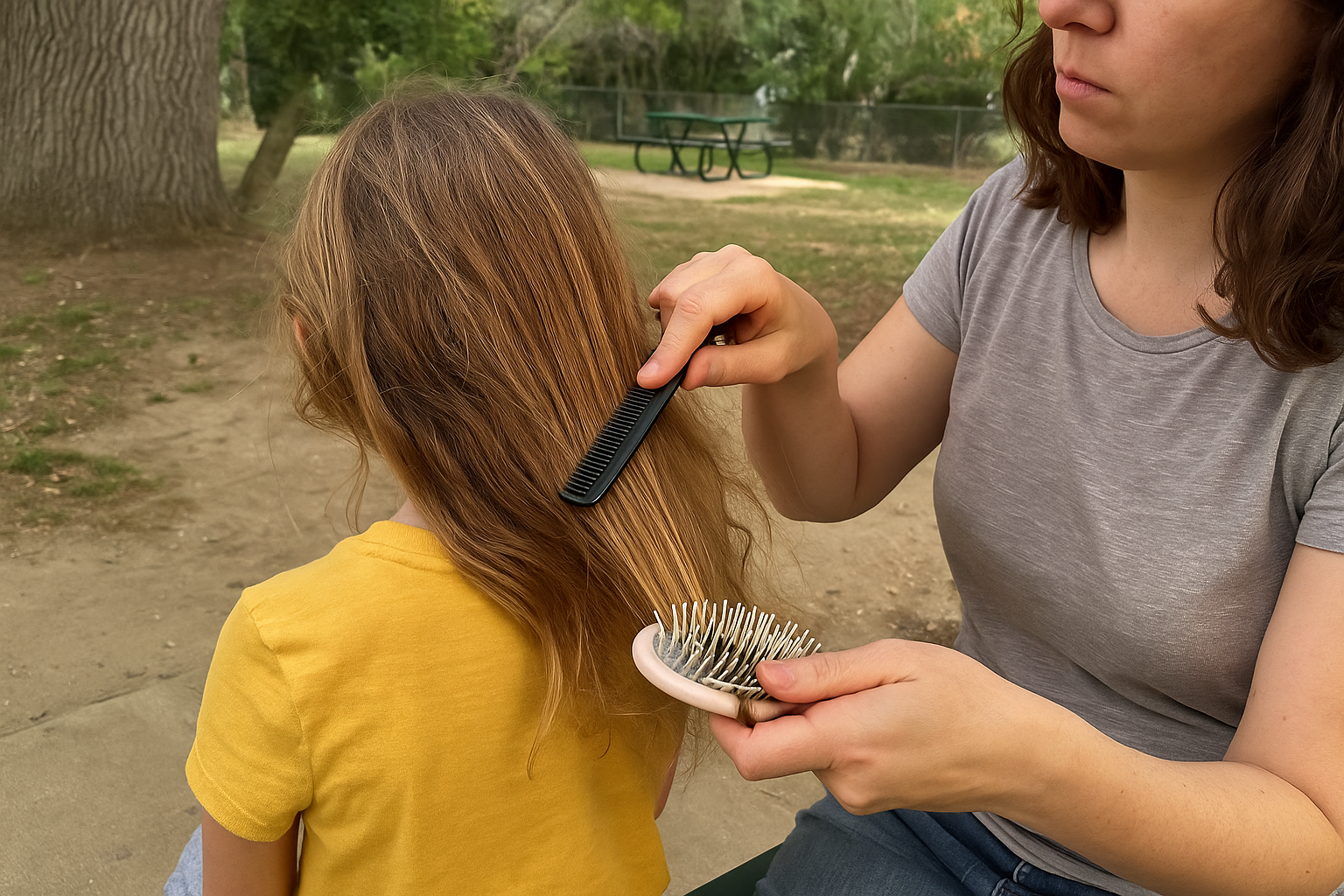
As parents wrestling with tangled toddler hair during rushed mornings, we’ve all faced the age-old question: is it better to use a comb or a brush to detangle hair? After testing countless tools and consulting with pediatric hair specialists, we’ve discovered that the answer isn’t one-size-fits-all—it depends on your child’s hair type, condition, and specific detangling needs.
Whether you’re dealing with morning bedhead or post-bath tangles, choosing the right detangling tool can mean the difference between tears and smiles. We’ll break down exactly when to reach for each tool and share our favorite products that make detangling a breeze for both kids and parents.
Understanding the Science: Why the Right Tool Matters for Kids’ Hair
Children’s hair is significantly more delicate than adult hair. According to hair styling expert Robert Reed, “Hair is most fragile and hyperelastic when it’s wet. This means that hair can stretch over 50% more when wet—it’s in its most fragile state.”
A 2007 study found that brushes cause more hair breakage than combs, highlighting why tool selection is crucial for maintaining your child’s hair health. The wrong choice can lead to:
- Increased breakage and split ends
- Scalp irritation and discomfort
- Disrupted curl patterns in textured hair
- Unnecessary hair loss
Wide-Tooth Combs: The Gentle Giants of Detangling
We consider wide-tooth combs the MVPs of children’s hair care, especially for wet hair detangling. Here’s why they excel:
When Wide-Tooth Combs Shine
Wide-toothed combs have widely spaced teeth, making them ideal for detangling wet or dry hair. Using a wide-toothed comb or a specialized detangling comb, you can work through stubborn tangles without causing excessive breakage or damage.
Best for:
- Wet hair (post-bath detangling)
- Curly, coily, or textured hair types
- Fine hair prone to breakage
- Toddlers with sensitive scalps
The Precision Advantage
Combs offer precise styling: You have more control when styling hair with a comb, making it ideal for creating clean parts, braids, or other segmented hairstyles. This also helps with evenly distributing products through the hair.
When we test products like the Bonsai Kids Hair Detangler Spray, we always start with a wide-tooth comb to ensure even product distribution before moving to styling tools.
Detangling Brushes: Speed Meets Efficiency
Modern detangling brushes have revolutionized kids’ hair care with their flexible bristles and innovative designs.
When Brushes Excel at Detangling
Detangling brushes have flexible bristles that gently glide through tangles without causing excessive breakage or damage. They’re good for all hair types, especially those with thick or curly hair prone to knots.
Brush advantages include:
- Faster detangling of larger hair sections
- Better scalp stimulation and blood circulation
- Effective distribution of natural oils
- Suitable for dry hair styling
Types of Detangling Brushes
Paddle brushes have a wide, flat surface with densely packed bristles. They’re ideal for detangling and smoothing medium to long hair. Paddle brushes are great for straightening hair and creating a sleek look.
Is it Better to Use a Comb or a Brush to Detangle Hair? Hair Type Breakdown
After testing products across different hair types, here’s our definitive guide:
Straight, Fine Hair
If your hair is straight, a brush is your best bet for smoothing out minor knots and everyday styling. Just remember: never brush wet hair.
Our recommendation: Start with a wide-tooth comb on damp hair, then switch to a soft-bristle brush for styling once hair is 80% dry.
Curly and Textured Hair
Using a hairbrush on curly hair will mess up your curl pattern and also cause breakage. The best way to keep your curl pattern intact and frizz-free while also minimizing the risk of breakage and damage is to use a wide-toothed comb gently through the lengths.
For curly-haired kids, we always recommend the Bonsai Kids Hair Wax Stick for flyaway control after gentle combing. Its one-handed application makes it perfect for busy mornings when you need to tame edges without disturbing curl patterns.
Thick, Long Hair
Long-hair routines often benefit from both tools. The comb initiates control with low-density contact. The brush expands that control into broader pass-through detangling.
The Wet vs. Dry Hair Detangling Debate
Understanding when hair is most vulnerable helps determine the best detangling approach:
Wet Hair: Handle with Care
Wet hair is more elastic and prone to breakage, making it vulnerable to damage if brushed with fine or densely packed bristles. In these situations, a wide-tooth comb is the safest and most effective choice. It allows you to gently detangle strands without pulling or snapping them, particularly when starting at the ends and working upward.
Best practice for wet hair:
- Apply a quality detangler spray first
- Use only wide-tooth combs
- Start at hair ends and work upward
- Be patient—rushed detangling causes breakage
Dry Hair: More Flexibility
Dry hair is more resilient and better suited to brushing. Brushes are ideal for smoothing the hair’s surface, reducing frizz, and distributing natural oils from the scalp to the ends, which enhances shine and manageability.
Top-Tested Products: What Actually Works
Based on our extensive testing, here are the products that consistently deliver results:
Best Detangling Sprays for 2026
Johnson’s No More Tangles scored an exceptional 9.5 for its tear-free performance and affordability, while the Cantu Care for Kids detangler earned a 9.1 as an excellent value pick for textured hair.
We also love the Hair Detangler Spray for Girls 10 oz from our test lineup—its gentle, tear-free formula works on both wet and dry hair, making it perfect for quick morning touch-ups.
Essential Tools Every Parent Needs
After testing dozens of combs and brushes, our must-have list includes:
- Wide-tooth comb for wet hair detangling
- Flexible detangling brush for dry hair styling
- Quality detangler spray for daily use
- Styling wax stick for flyaway control
The Bonsai Kids Hair Wax Stick has become our go-to for final touches—its one-handed application is perfect when you’re juggling morning routines, and it provides gentle hold without that crunchy feeling kids hate.
Expert Techniques: Making Detangling Stress-Free
Here’s our step-by-step approach that we’ve refined through years of testing:
The 4-Step Gentle Method
- Prepare: Apply detangler spray generously to problem areas
- Section: Divide hair into manageable sections
- Start Low: Begin at hair ends, never at the roots
- Work Up: Gradually move toward the scalp as tangles release
By starting at the ends of the hair and working your way up to the roots, you reduce the tension on the hair, making it less susceptible to breakage.
Common Mistakes to Avoid
Through our product testing, we’ve identified these frequent errors:
- Starting detangling at the roots instead of ends
- Using the wrong tool for hair condition
- Applying too much force during detangling
- Skipping detangler spray on stubborn knots
Age-Specific Considerations
Children’s hair needs change as they grow, and we’ve adapted our recommendations accordingly:
Toddlers (Ages 1-3)
Toddler hair is the most delicate. Tear-free formulas are designed to be as gentle as water on the eyes, making them safe for toddlers and young children. Always check the age recommendations and ingredient list for extra reassurance.
For this age group, we recommend gentle products like the Bonsai Kids Gentle Tear-Free Shampoo paired with ultra-soft combs.
School-Age Kids (Ages 4-8)
Active kids need products that work fast and hold up to playground adventures. We love quick-application tools like the Bonsai Kids Hair Wax Stick for pre-school touch-ups.
Pre-Teens (Ages 9-12)
Hair becomes thicker and oil production increases. Styling becomes more important as kids develop personal preferences.
Seasonal Considerations for Spring 2026
Spring weather brings unique challenges for kids’ hair care:
Humidity and Frizz Control
April’s variable weather means dealing with humidity-induced tangles. We’ve found that lightweight leave-in products work better than heavy creams during this transitional season.
Outdoor Activities
With Easter events, spring sports, and school photo days, hair needs to look good and stay put. Products like the Bonsai Kids Hair Wax Stick provide reliable hold for active kids without weighing hair down.
Building Your Detangling Routine
The most effective approach combines both tools strategically:
Morning Routine
- Light detangler spray on dry hair
- Wide-tooth comb for initial detangling
- Soft brush for final styling
- Wax stick for flyaway control
Evening/Post-Bath Routine
- Generous detangler application
- Wide-tooth comb only (no brushes on wet hair)
- Gentle sectioning and gradual detangling
- Leave hair to air dry or use low heat
Product Safety and Ingredients to Avoid
When selecting detangling products, we prioritize safety:
Safe Ingredients to Look For
- Natural oils (coconut, jojoba, argan)
- Protein-free formulas for fine hair
- Panthenol (Pro-Vitamin B5)
- Botanical extracts
Ingredients to Avoid
- Sulfates and parabens
- Heavy silicones that cause buildup
- Alcohol-based formulas that dry hair
- Artificial fragrances that irritate
Frequently Asked Questions
How often should I detangle my child’s hair?
For most hair types, gentle daily detangling prevents major tangles from forming. Most detanglers are safe for daily use, especially if they’re tear-free and gentle. However, adjust based on your child’s hair type and tangling frequency—for example, curly hair might benefit from daily application, while fine hair may only need it after washing.
Can I use adult detangling products on my child?
We strongly recommend sticking to products formulated specifically for children. Kids’ scalps are more sensitive, and their hair has different needs than adult hair. Look for tear-free, hypoallergenic formulas designed for young users.
What should I do if my child has severe matting?
Never try to force through severe mats. Apply a generous amount of detangler and let it sit for several minutes. Work very slowly with a wide-tooth comb, starting at the very edges of the mat. If the situation seems hopeless, consult a professional children’s stylist rather than risk hair damage.
Understanding whether it’s better to use a comb or a brush to detangle hair has transformed our daily hair routines from stressful battles into manageable, even pleasant experiences. The key is having both tools in your arsenal and knowing when to use each one.
Remember: wet hair gets the comb treatment, dry hair can handle brushes, and the right detangling products make everything easier. With proper technique and quality tools like the Bonsai Kids Hair Wax Stick for finishing touches, you can keep your child’s hair healthy, tangle-free, and beautifully styled.